
How Fire Protection System?
A fire protection system encompasses a range of measures and equipment designed to detect, control, and suppress fires, minimizing damage and ensuring the safety of occupants. These systems are broadly categorized into active and passive protection, and can also involve engineered systems for specialized hazards.
Active fire protection systems rely on external power sources and mechanical components to detect and respond to fires. Examples include:
- Fire Hydrant System.
- Fire Sprinkler System
- CO2 Gaseous Suppression System
- Foam Suppression System
- Water Curtains System
FIRE HYDRANT SYSTEM
A well-designed wet riser/hydrant system is the backbone of fire protection systems for modern buildings and is mandated by the local Fire Brigade, insurance authorities and other regulatory bodies. A fire hydrant system is a crucial fire protection measure in buildings, providing a readily available water source for firefighters to combat fires. It consists of a network of pipes connected to a water supply, with outlets (hydrants) strategically placed for hose connections. These systems are designed to deliver a sufficient flow and pressure of water to extinguish fires, and they are often a key component of a building’s overall fire safety infrastructure.
Water must be made available through reservoirs in adequate quantities at convenient locations. Periodic drills should be conducted by opening the hydrant valves to ensure proper operation of the systems.
Components:
- Water Supply: A reliable water source, either from a main water line or a dedicated tank, is essential.
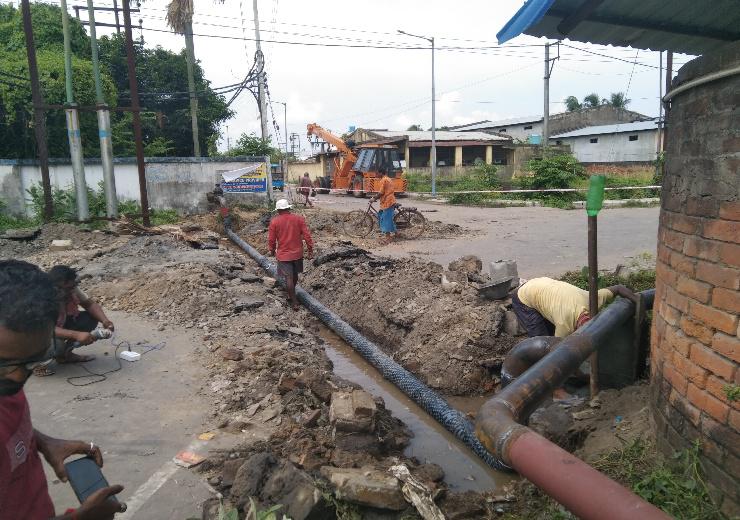
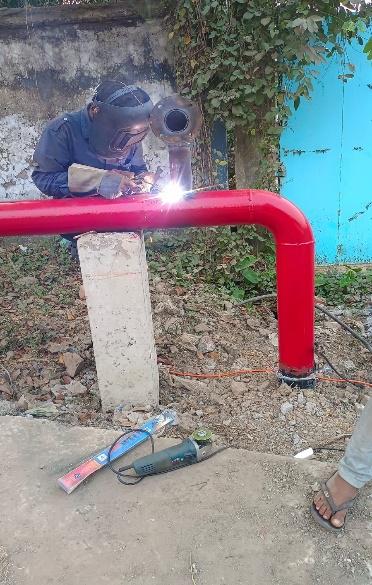
- Piping Network: A network of pipes, often underground, distributes water throughout the building or area.
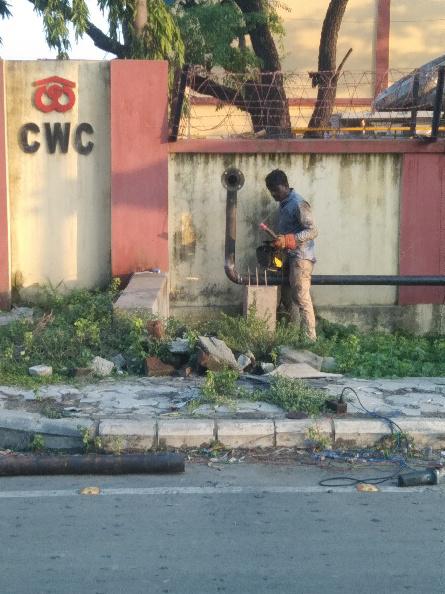
- Hydrant Outlets: These are the connection points (valves) where firefighters can attach their hoses.
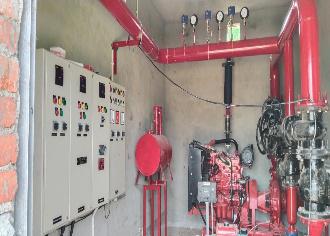
- Pumps: In some cases, pumps (like jockey pumps, main pumps, and diesel pumps) are used to maintain water pressure
- and ensure adequate flow during a fire.
- Control Valves: These valves regulate the flow of water to the hydrants.
How Fire Hydrant System Work?
A fire hydrant system works by providing a reliable and readily available water supply for firefighters to combat fires. It typically consists of a network of underground pipes connected to a water source, with hydrants strategically placed for easy access. When a fire occurs, firefighters can connect hoses to the hydrant outlets and open the valve to release water under pressure, which is then directed towards the fire.
Here’s a more detailed breakdown:
1. Water Source and Distribution:
Fire hydrant systems are typically connected to the main water supply, ensuring a constant source of water.
Underground pipes distribute water throughout the area, reaching each hydrant location.
In some cases, booster pumps are used to increase water pressure and flow, especially in areas with low water pressure or where large volumes of water are needed.
2. Hydrant Components:
Valve: Controls the flow of water from the hydrant.
Outlet Nozzles: Provide connection points for fire hoses.
Drain: Drains water from the hydrant after use to prevent freezing in colder climates.

Why Choose Samriddhi fire Solution
- We offer best quality plumbing pipes and fittings.
- We have a team of highly qualified technicians who work with the latest technology.
- We are committed to maintain the supply of various products as per standards in industries to ensure the safety to our valuable customers.
- We firmly believe that our success depends on our valuable customers and members of our company.
- We always strive to offer best and innovative fire solutions with our expert and skilled personnel.